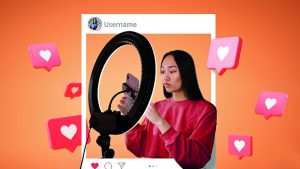
If you’re active on TikTok or Instagram, you may have come across the term “deinfluencing.” Instead of recommending what followers should buy, creators explain what they shouldn’t buy and why. It’s a refreshing countermovement to relentless influencer culture—and it’s gaining traction fast.
While the word may sound worrying for brands, deinfluencing isn’t about stopping consumption altogether. It’s about encouraging smarter, value-based purchasing, which presents an opportunity for businesses willing to adapt.
What Is Deinfluencing?
Deinfluencing emerged as a response to:
- Overconsumption
- Overpriced “trendy” products
- Lack of transparency in influencer marketing
Deinfluencers typically post honest reviews, highlight cheaper alternatives, and discourage impulsive buying. This resonates especially with Gen Z and Millennials, who are increasingly sceptical of paid product placements.
Why do People Care?
Several cultural and economic factors are fuelling this trend:
1. Trust Fatigue: Audiences are tired of perfectly curated sponsored content.
2. Rising Costs: With higher living expenses, people want genuine value for money.
3. Sustainability Concerns: Consumers are becoming more eco-conscious.
4. Demand for Authenticity: Real experiences beat sales pitches every time.
Whether you’re a Maltese fashion brand, beauty retailer, tech store, or online service, this shift in behaviour is worth noting—because trust has become a key currency.
What does Deinfluencing Means for Marketers?
The positive side is clear: deinfluencing rewards products that are genuinely worth buying. This pushes brands to refine their messaging around:
- Quality
- Transparency
- Value
- Sustainability
In other words, hype alone no longer works as a long-term strategy.
How Can Brands Adapt?
Here’s how businesses can make the most of this shift:
Partner with authentic influencers
Choose content creators who already prioritise honesty over hype.
Use real customer experiences
User-generated content builds trust without feeling overly promotional.
Be transparent
Clear pricing, realistic claims, and honest communication go a long way.
Highlight true value
If your product performs well, lasts longer, or solves a real problem—show it.
Deinfluencing isn’t anti-brand – it’s anti-hype. It’s a sign that consumers are prioritising honesty and value over trend-driven marketing. For companies willing to embrace authenticity, this trend offers a chance to build stronger relationships and long-term brand loyalty.